Glasgow Water Main Break Shettleston Road – Full Timeline, Cause, Impact & Official Response

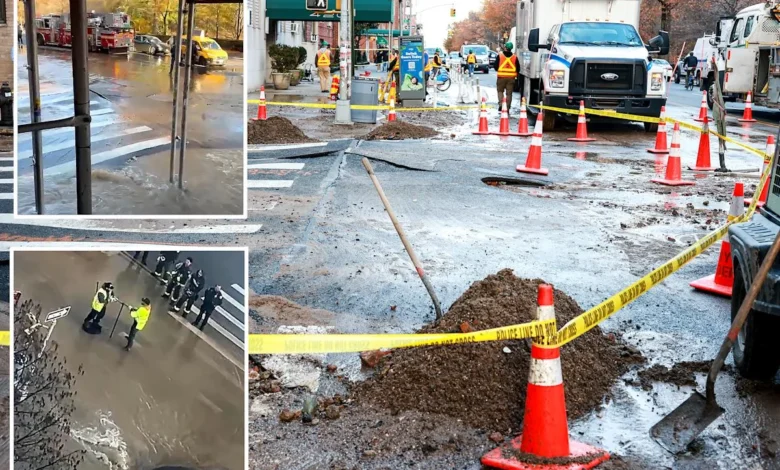
The Glasgow water main break Shettleston Road caused major disruption to residents, commuters and businesses across the G32 postcode. The incident highlighted ongoing issues with Glasgow’s aging underground infrastructure and raised renewed concerns about future-proofing the Victorian-era water network. Here is a full breakdown of the event, what caused it, and how the city responded.
What Happened During the Shettleston Road Water Main Break?
The burst occurred early on May 29, 2025, when a major underground main failed near St Mark Street. Local residents first noticed flooding, low water pressure, and discoloured water, prompting calls to Scottish Water’s helpline.
Key moments in the timeline included:
-
7:00 AM – Flooding and pressure issues reported by residents.
-
8:00 AM – Emergency teams confirmed a large water main burst.
-
9:00 AM – Glasgow City Council closed Shettleston Road and activated traffic diversions.
-
Midday – Thousands of homes in G32 experienced outages or severely reduced supply.
-
Afternoon – Excavation began; engineers isolated the damaged section of pipe.
-
Evening – Partial water restoration achieved for affected households.
-
Early May 30 – Pipe replacement completed, water quality checks passed, and roads reopened.
The quick escalation from minor flooding to major infrastructure failure created significant disruption throughout the local area.
What Caused the Water Main to Burst?
The burst was linked to aging pipework, much of which is over 100 years old. Glasgow’s water infrastructure includes miles of Victorian-era cast iron pipes, making them more vulnerable to:
Common contributing factors include:
-
Material fatigue in century-old pipes
-
Pressure surges during high-demand periods
-
Temperature fluctuations affecting underground pipe stability
-
Soil movement stressing weakened pipe sections
Scottish Water has previously noted that many of Glasgow’s older mains are at end-of-life stage, making bursts more common as the network ages.
How the Water Main Break Impacted Shettleston and the G32 Area
The Shettleston Road burst caused immediate and widespread disruption, affecting everyday life for thousands.
Major impacts included:
-
Water outages affecting households, businesses, and public facilities
-
Traffic gridlock due to the closure of a key arterial route
-
Loss of business revenue, especially for shops and cafes along the route
-
Safety concerns from surface flooding and road instability
-
Discoloured or low-pressure water once supply returned
For many residents, the inconvenience lasted the entire day, while some businesses remained closed until water quality was confirmed safe.
How Scottish Water Responded to the Incident
Scottish Water deployed emergency engineers as soon as reports surfaced. Their response involved several coordinated steps:
Core actions included:
-
Isolating the burst to prevent continued flooding
-
Excavating the damaged section safely
-
Installing new pipework to replace the failed portion
-
Conducting leak tests before reopening the main
-
Running water quality checks to ensure safe restoration
-
Providing public updates through their website and social media
Repairs were completed within 12–24 hours, which is considered fast for a burst of this scale.
Plans to Prevent Future Bursts in Glasgow
Following recent bursts—including another Shettleston Road water main failure on July 29, 2025—Scottish Water has accelerated investment in long-term upgrades.
Key prevention measures include:
-
Installation of smart sensors to detect pressure changes
-
Proactive pipe replacement programmes in high-risk areas
-
Targeted upgrades aiming to reduce bursts by 25% by 2027
-
Improved monitoring using real-time digital systems
-
Encouraging residents to report issues via the “In Your Area” app
These measures are part of a broader strategy to modernize Scotland’s water infrastructure and reduce service disruptions.
Why Shettleston Road Has Seen Repeated Bursts
The Shettleston Road corridor sits above a section of older, high-pressure mains, making it more vulnerable to failures. The secondary burst in July 2025, occurring near the same location, reinforced the need for:
-
full main replacement rather than spot repairs
-
in-depth structural surveys
-
upgraded pipe materials suited for modern pressure loads
This area continues to be monitored closely as part of ongoing infrastructure improvement work.