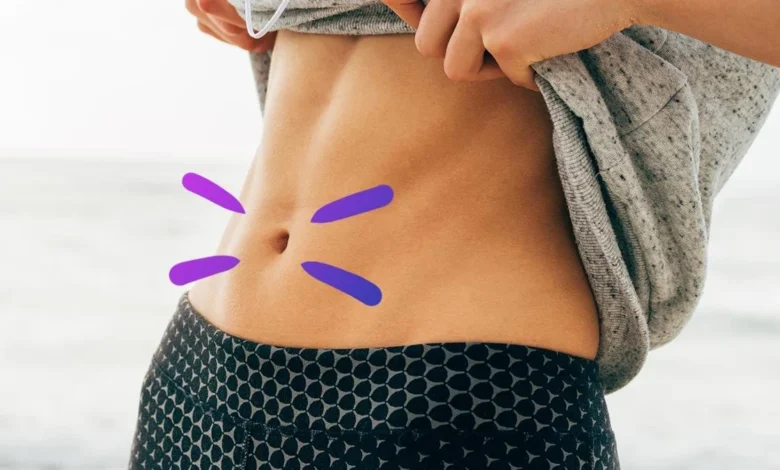
If you’ve ever looked at your stomach and wondered, “Why do I have a belly button?”, you’re not alone. The belly button—also known as the navel or umbilicus—is something every human has, yet most people don’t fully understand its purpose.
This simple feature on your abdomen is actually a biological scar with a fascinating history tied directly to your earliest development in the womb. Here’s everything you need to know.
The Belly Button Forms From the Umbilical Cord
The belly button exists because of the umbilical cord, a lifeline that connects a developing baby to the placenta inside the mother’s womb.
The umbilical cord provides:
-
Oxygen
-
Nutrients
-
Immune protection
-
Waste removal
It functions like a natural pipeline, making it possible for the fetus to survive and grow.
After birth
Once a baby is born, the umbilical cord is clamped and cut, leaving behind a small stump. After a few days, this stump dries up and falls off, leaving the belly button scar we all have.
This is why the belly button marks your earliest connection to life.
Why Some Belly Buttons Are “Innies” and Others Are “Outies”
You may have noticed that belly buttons come in different shapes. The two most common types are:
-
Innie (concave)
-
Outie (convex)
What determines the type?
Contrary to myth, the type of belly button you have is not caused by how the doctor cut your cord. Instead, it depends on:
-
How your skin heals
-
How the muscles and tissues close
-
Small variations in scar formation
-
Whether there was a tiny umbilical hernia in infancy
Most people—about 90%—have innie belly buttons.
The Belly Button Has No Function After Birth—but It Used to Be Vital
After you are born, the belly button no longer plays an active role. Unlike the umbilical cord, the belly button:
-
Does not provide nutrients
-
Does not connect to internal organs
-
Does not affect digestion or breathing
It’s simply a healed scar left behind from the cord that once kept you alive in the womb.
But during pregnancy, the connection was vital:
-
The placenta extracted nutrients from the mother’s blood
-
The umbilical cord delivered these nutrients to the baby
-
It also removed carbon dioxide and waste
-
It supported immune development
The fact that the belly button exists is proof of how your body once depended entirely on that connection.
Why Belly Buttons Can Smell, Itch, or Collect Dirt
Even though the belly button has no biological function after birth, it requires hygiene just like any other part of the body.
Common reasons belly buttons cause issues:
-
Sweat and oil buildup
-
Dead skin accumulation
-
Bacteria trapped in deep folds
-
Yeast infections in moist environments
-
Piercing irritation
People with deep innies may notice more cleaning needed.
Simple cleaning tips:
-
Wash gently with warm water and mild soap
-
Dry thoroughly to prevent moisture buildup
-
Avoid harsh scrubbing
-
If you have a piercing, follow proper aftercare instructions
Good hygiene ensures your navel stays healthy and irritation-free.
Do All Animals Have Belly Buttons?
Most mammals have belly buttons, but the appearance varies widely.
Animals with visible belly buttons:
-
Humans
-
Monkeys
-
Apes
Animals with barely noticeable belly buttons:
-
Dogs
-
Cats
-
Horses
-
Cows
Animals without belly buttons:
Species that hatch from eggs—such as birds, reptiles, amphibians, and fish—do not have belly buttons because they do not develop with an umbilical cord.
The presence of a belly button is a sign that the organism once received nutrients internally through a placental connection.
Interesting Facts About Belly Buttons
Here are some surprising facts most people don’t know:
1. The belly button can grow rare bacteria colonies
Studies show that belly buttons can contain over 2,300 types of bacteria, many harmless.
2. It’s one of the first scars you ever get
Your belly button is your oldest scar, formed within days of birth.
3. Outies are not caused by “poor cutting”
They’re simply natural variations in scar formation.
4. Belly button lint is real
Clothing fibers, sweat, and skin flakes can combine to form lint—especially in people with more belly hair.
5. Some people don’t have a belly button
Rare medical surgeries (like certain abdominal repairs) may result in no visible navel.
Conclusion
You have a belly button because it marks the place where your umbilical cord once connected you to your mother’s placenta—a crucial lifeline that delivered oxygen, nutrients, and protection while you developed in the womb. After birth, it becomes a simple scar, but its presence tells the story of how every human life begins.
Whether it’s an innie or an outie, the belly button is a natural reminder of your earliest connection to life.