The term “Perseids” is widely known thanks to the famous Perseid meteor shower, one of the brightest and most anticipated celestial events of the year. However, many people struggle with the Perseids pronunciation, especially because its spelling isn’t immediately obvious from how it sounds.
This guide explains how to pronounce Perseids, why the meteor shower carries this name, and how to use the word correctly in everyday conversation.
Correct Perseids Pronunciation Explained
The correct Perseids pronunciation in English is:
/PER-see-idz/
Sounds like: “PER-see-idz”
Here’s a breakdown:
-
PER – rhymes with “her”
-
see – like “see with your eyes”
-
idz – like “kids” without the “k”
Alternative pronunciation (less common):
-
/PER-say-idz/
Some speakers prefer this version, but PER-see-idz is the widely accepted pronunciation in astronomy and science communities.
Why the Word “Perseids” Is Pronounced That Way
Understanding the Perseids pronunciation becomes easier when you look at the origin of the word.
The name Perseids comes from:
-
Perseus, the hero of Greek mythology
-
The suffix -ids, used in astronomy to indicate “descendants of” or “coming from”
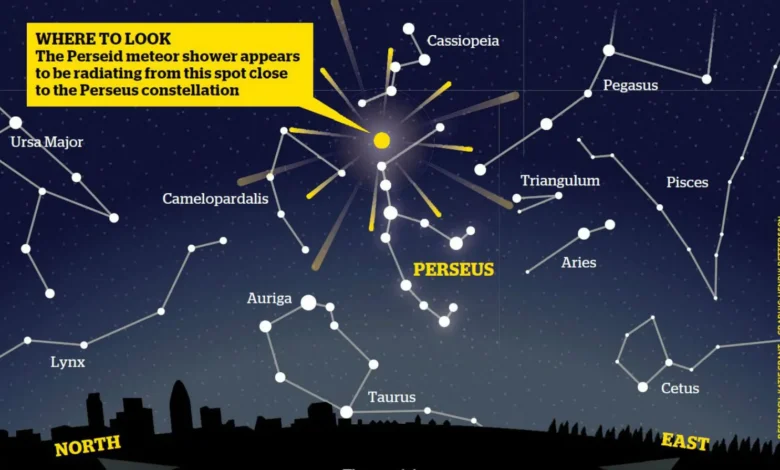
Astronomically, the Perseid meteors appear to originate from the direction of the Perseus constellation, giving them their name.
So the pronunciation is shaped by:
-
Greek origin (“Perseus”)
-
Scientific naming conventions (“-ids”)
This combination results in the modern pronunciation PER-see-idz.
How to Use “Perseids” in a Sentence Correctly
Knowing the correct perseids pronunciation is only part of mastering the term. Using it naturally in conversation helps reinforce the sound.
Examples:
-
“Are you watching the Perseids meteor shower tonight? It peaks after midnight.”
-
“The Perseids are one of the most reliable meteor showers each year.”
-
“I never knew how to say Perseids until I heard an astronomer say it on TV.”
Common mistakes:
-
Saying “Per-SIDES” ❌
-
Saying “PER-seeds” ❌
-
Saying “PER-sades” ❌
These incorrect pronunciations usually come from reading the word phonetically without knowing its Greek roots.
Facts About the Perseid Meteor Shower
People often search for perseids pronunciation while learning about the meteor shower itself.
Key facts:
-
Occurs annually between July and August
-
Peaks on August 11–13
-
Produces up to 50–100 meteors per hour under ideal conditions
-
Visible best after midnight
-
Caused by debris from Comet Swift-Tuttle
The Perseids are known for being bright, fast, and frequent, making them a favorite event for skywatchers.
Why People Mispronounce Perseids
The difficulty in perseids pronunciation comes from several factors:
1. Greek origin
Names from mythology often don’t match English phonetics.
2. The “-ids” ending
Many people are unfamiliar with this astronomy suffix.
3. The spelling vs. sound mismatch
The word looks like it could be said multiple ways.
4. Lack of exposure
Most people only hear the term once a year—during the meteor shower.
Because of these reasons, it’s normal for new learners to question how to say it correctly.
Tips to Remember the Correct Perseids Pronunciation
If you want to consistently say Perseids correctly, these tricks help.
1. Break it into 3 parts:
PER – SEE – IDZ
2. Use a memory cue:
Think: “PERcy IDs”, like identification cards.
3. Listen to astronomy videos
NASA and science channels universally use PER-see-idz.
4. Practice aloud before the meteor shower
It becomes natural with repetition.
Learning the correct Perseids pronunciation makes conversations about astronomy clearer and helps you sound confident and informed.
Conclusion
The correct Perseids pronunciation is PER-see-idz, a term rooted in the Greek name “Perseus” and the astronomy suffix “-ids.” Many people mispronounce it because its spelling is tricky and the word is used mostly during the annual meteor shower. By learning how to say it correctly, understanding its history, and practicing regularly, anyone can master this popular astronomical term.