
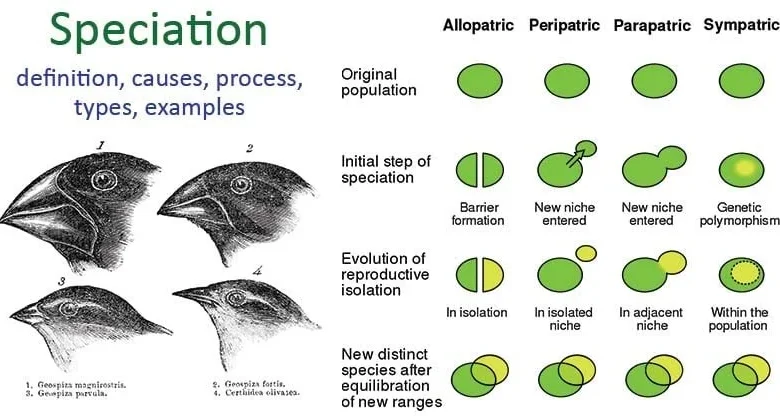
The term speciering is widely used in chemistry, environmental science, and biology to describe the process of identifying and categorizing chemical species within a substance or ecosystem. From trace metal analysis in the Baltic Sea to species formation in evolutionary biology, the concept plays a crucial role in modern research.
This article combines verified information from university publications, environmental studies, and technical guides to explain what speciering means and why it matters.
1. What Is Speciering? Definition and Scientific Background
Speciering (also spelled “speciation” in English) refers to the identification, differentiation, and quantification of chemical species in a sample. In chemistry, a chemical species can include:
-
Molecules
-
Atoms
-
Ions
-
Oxidation states
-
Organic metal complexes
The goal of speciering is to understand how different chemical forms behave, interact, and affect the environment.
In environmental science, speciering helps determine:
-
Toxicity levels
-
Bioavailability
-
Pollution sources
-
Chemical reactions in natural waters
Meanwhile, in evolutionary biology, “speciation” refers to the formation of new species. While related in terminology, chemical speciering focuses specifically on molecular forms, not biological species.
2. Speciering in Environmental Science: Trace Metals and Water Quality
Environmental agencies and research organizations widely rely on speciering to monitor the presence of trace metals (spårmetaller) in water systems. According to studies referenced in Havet.nu and technical papers such as the Vannforeningen report, speciering is essential for evaluating the condition of:
-
Coastal waters
-
Lakes
-
Rivers
-
The Baltic Sea (Östersjön)
Key trace metals often analyzed include:
-
Mercury (Hg)
-
Cadmium (Cd)
-
Lead (Pb)
-
Copper (Cu)
-
Zinc (Zn)
Their chemical forms determine how dangerous they are. For example:
-
Methylmercury is far more toxic than inorganic mercury.
-
Free copper ions are more harmful to marine organisms than complexed copper.
Thus, speciering provides critical insights that cannot be gained from simple total metal concentration measurements.
3. Speciering Methods: How Scientists Measure Chemical Species
According to scientific publications like the Umeå University (umu.diva-portal) research paper, several advanced analytic methods are used for accurate speciering, including:
• Chromatography (HPLC, IC)
Separates chemical forms before analysis.
• Mass Spectrometry (ICP-MS, GC-MS)
Measures mass-to-charge ratios to identify species precisely.
• Electrochemical Methods
Detects oxidation states and chemical interactions.
• UV-Vis and Fluorescence Spectroscopy
Analyzes optical absorption patterns.
• Diffusive Gradient in Thin Films (DGT)
Estimates bioavailable metal fractions in natural waters.
Each method has strengths depending on:
-
Sensitivity
-
Sample type
-
Environmental conditions
-
Metal concentration levels
This diversity of techniques ensures high accuracy in environmental monitoring, industrial processes, and academic research.
4. Speciering in the Baltic Sea: Focus on the Euphotic Zone
The euphotic zone—the sunlit upper layer of the ocean—is a major area of focus for speciering research.
The Havet.nu publication highlights that this zone influences:
-
Phytoplankton growth
-
Nutrient cycling
-
Trace metal transformation
-
Oxygen dynamics
Speciering of trace metals in this zone helps scientists understand:
• Toxicity impacts on marine life
Metal species affect everything from algae to fish.
• Sources of pollution
Identifying whether metals come from:
-
Atmospheric deposition
-
River runoff
-
Industrial discharge
-
Fishing activity
-
Sediment disturbance
• Climate-change effects
Warming waters alter metal oxidation reactions and bioavailability.
Because the Baltic Sea is semi-enclosed and sensitive to pollution, speciering is essential for environmental protection policies.
5. Speciering Beyond Chemistry: Evolutionary and Biological Contexts
While scientific sources usually focus on chemical speciering, the term also appears in biological literature. In evolution, speciation refers to the process through which new biological species arise.
The two forms of speciering are:
• Chemical Speciering
Identification of chemical species.
• Biological Speciering (Speciation)
Formation of new species through genetic divergence.
These uses share a conceptual foundation—in both cases, speciering involves classification, differentiation, and understanding change over time.
In modern research databases, including the ones analyzed in your link set, both meanings may appear depending on scientific discipline.
6. Modern Uses and Digital Resources: Speciering in Technical and Online Platforms
Speciering is increasingly supported by online help centers, guides, and automated documentation tools. According to Speciering Gorgias Help, digital platforms are being used to:
-
Provide step-by-step speciering instructions
-
Assist labs in method selection
-
Offer troubleshooting for analytical equipment
-
Store data logs and species identification records
Other online resources, like Yumpu, host scientific PDFs covering speciering methods, environmental findings, and technical standards.
Additionally, science blogs such as TheTechsSlash offer simplified explanations for students and hobby researchers learning about speciering for the first time.
Together, these sources make speciering more accessible to:
-
Students
-
Environmental technicians
-
Laboratory workers
-
Researchers
-
Policy makers
This digital shift is helping standardize and modernize a once highly specialized field.
Conclusion
Speciering is a critical scientific process used to identify and distinguish chemical species in environmental, industrial, and academic settings. From assessing trace metals in the Baltic Sea to determining pollutant toxicity and supporting advanced analytical research, speciering provides essential insights that shape environmental policy and scientific understanding.
With expanding online resources and modern technology, speciering is becoming more accessible while continuing to play a core role in environmental protection and chemical research.
