Amish butter has become increasingly popular among home cooks, bakers, and food enthusiasts looking for exceptional flavor, higher butterfat, and traditional quality. Known for its rich taste, creamy texture, and distinctive log-shaped packaging, Amish butter offers a European-style butter experience that goes beyond standard American butter.
This article explores what Amish butter is, how it’s made, why it tastes different, and why so many people prefer it for baking and everyday use.
What Is Amish Butter?
Amish butter is a high-butterfat churned cream butter traditionally associated with Amish-style and old-world dairy methods. While standard American butter contains about 80% butterfat, Amishbutter typically contains 84–85% butterfat, making it significantly richer and creamier.
It is usually made from:
-
Pasteurized cream
-
Milk from grass-fed cows
-
No artificial additives or preservatives
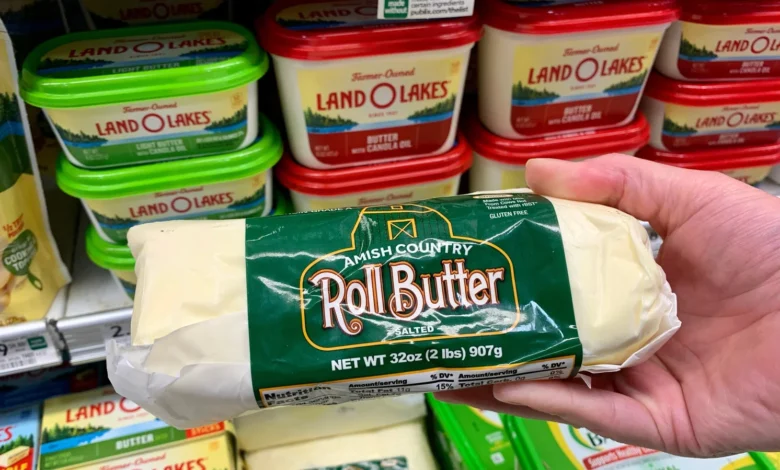
AmisHbutter is most often sold in large hand-rolled logs or wheels, which sets it apart visually from the standard stick butter found in grocery stores.
Why Amish Butter Has Higher Butterfat
One of the defining features of Amish butter is its higher butterfat content, which directly impacts flavor and performance.
Benefits of Higher Butterfat
-
Creamier mouthfeel
-
Richer taste
-
Better melting behavior
-
Improved baking results
Because there is less water content, Amishbutter produces:
-
Flakier pie crusts
-
More tender pastries
-
Moister cakes
-
More flavorful sauces
This higher fat ratio brings Amishbutter closer to European-style butters, which are prized by professional bakers.
Flavor, Color, and Texture Differences
Amish butter is easily recognized by its appearance and texture.
Key Sensory Characteristics
-
Color: Pale yellow to deep golden yellow
-
Texture: Smooth, soft, and creamy
-
Flavor: Rich, full-bodied, and naturally buttery
The deeper yellow color often comes from grass-fed cow diets, which increase beta-carotene content. This not only enhances color but also adds nutritional value.
How Amish Butter Is Used in Cooking and Baking
Because of its richness, Amish butter is incredibly versatile.
Popular Uses
-
Baking: Ideal for pie crusts, cookies, croissants, and cakes
-
Spreading: Delicious on toast, bagels, pancakes, and biscuits
-
Cooking: Enhances sauces, vegetables, and sautéed dishes
-
Finishing butter: Adds depth to steaks, seafood, and pasta
Many cooks find they can use slightly less Amish butter while still achieving superior flavor compared to regular butter.
Nutritional Benefits of Amish Butter
When made from grass-fed cream, Amishbutter offers several natural nutrients.
Nutritional Highlights
-
Vitamin A (supports eye and immune health)
-
Vitamin D
-
Omega-3 fatty acids
-
Conjugated linoleic acid (CLA)
While still a calorie-dense food, Amishbutter provides higher-quality fats than heavily processed alternatives, making it a preferred choice for traditional and whole-food diets.
Why Amish Butter Is Considered Special
What truly sets Amish butter apart is its combination of tradition, quality, and flavor.
Reasons for Its Popularity
-
Artisanal, small-batch roots
-
European-style butterfat levels
-
Minimal processing
-
Superior performance in baking
-
Authentic, old-fashioned appeal
Even when produced by larger dairies today, Amishbutter often maintains traditional churning methods that honor its heritage.
Conclusion
Amish butter stands out as a rich, creamy, high-butterfat butter that delivers exceptional flavor and performance. With its 84–85% butterfat content, natural ingredients, and traditional preparation, it offers a noticeable upgrade from standard American butter.
Whether you’re baking flaky pastries, spreading it on warm bread, or enhancing everyday cooking, Amishbutter brings depth, richness, and old-world quality to the table.