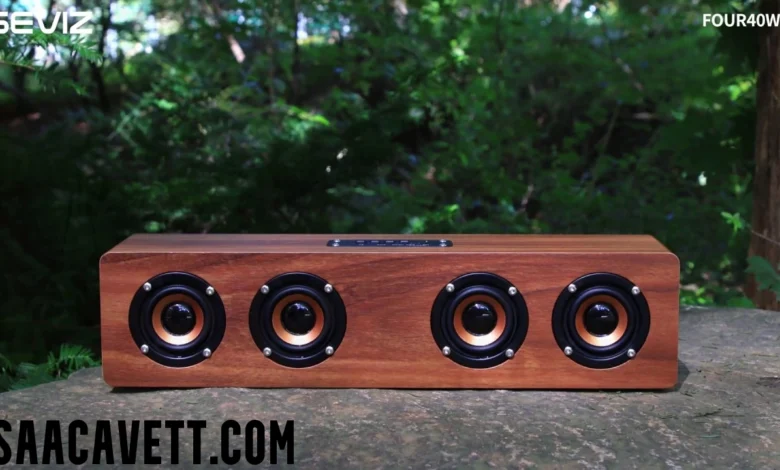
Perform a four 40w seviz battery replacement correctly to restore your Bluetooth speaker’s performance, extend its lifespan, and avoid unnecessary replacement costs. Follow this comprehensive guide to understand the battery type, recognize failure signs, choose the right replacement, and complete the replacement safely and effectively.
Understand the Battery Used in FOUR 40W SEVIZ Speakers
Identify the correct battery before attempting a four 40w seviz battery replacement. The FOUR 40W SEVIZ Bluetooth speaker uses a built-in lithium-ion rechargeable battery, which is designed to deliver portable power for wireless audio playback.
Recognize that lithium-ion batteries operate at a nominal voltage of 3.7V, which is standard across most portable Bluetooth speakers. Expect a capacity range typically between 1500mAh and 2000mAh, depending on the production batch. Understand that this battery is not user-replaceable by default, meaning you must open the speaker enclosure to access it.
Acknowledge that battery degradation is normal and unavoidable. Over time, charge cycles reduce the battery’s ability to hold power. Accept that replacing the battery is often more cost-effective than replacing the entire speaker.
Identify When a four 40w seviz battery replacement Is Necessary
Diagnose battery failure accurately before proceeding. Do not replace the battery unless clear symptoms appear.
Watch for rapid power drain, where the speaker shuts down after a short period of use. Notice extended charging times without improved playback duration. Observe sudden power loss at moderate or high volume levels. Detect charging indicator abnormalities, such as lights remaining on indefinitely or not activating at all.
Stop using the speaker immediately if you detect battery swelling or overheating, as this presents a safety risk. Confirm that these symptoms persist even after trying a different charging cable or power source.
Proceed with a four 40w seviz battery replacement only after confirming the issue is battery-related and not caused by charging ports or internal wiring.
Prepare Tools and Safety Measures Before Replacement
Gather all necessary tools before opening the speaker. Use a small Phillips screwdriver, a plastic pry tool, and a soldering iron if the battery is soldered directly to the circuit board. Prepare heat-resistant gloves and work on a clean, non-conductive surface.
Disconnect the speaker from any power source and power it off completely. Avoid working near flammable materials. Understand that lithium-ion batteries can be dangerous if punctured or short-circuited.
Take photos during disassembly to ensure correct reassembly later. Maintain a disciplined and methodical approach throughout the four 40w seviz battery replacement process.
Perform the four 40w seviz battery replacement Step by Step
Follow each step carefully to avoid damaging internal components.
Open the speaker enclosure by removing visible screws, often hidden beneath rubber pads or decorative panels. Use a plastic pry tool to separate the casing gently. Avoid excessive force, as internal speaker wires may be attached to both halves of the housing.
Locate the battery pack, usually wrapped in protective film and secured with adhesive. Identify whether the battery connects via a plug connector or soldered wires.
Disconnect the old battery carefully. Unplug the connector if present. If soldered, heat the solder joints and remove the wires without pulling aggressively. Remove the old battery from its compartment.
Install the replacement battery by matching the voltage, polarity, and connector type. Solder connections securely if required, ensuring clean joints without excess solder. Secure the battery in place using non-conductive adhesive or original mounting points.
Reassemble the speaker enclosure carefully. Replace all screws and ensure a tight seal. Charge the speaker fully before testing playback.
Execute the four 40w seviz battery replacement patiently to ensure long-term reliability.
Choose the Correct Replacement Battery for Long-Term Performance
Select the correct battery specifications to prevent damage and ensure optimal performance. Match the 3.7V lithium-ion voltage exactly. Choose a capacity equal to or slightly higher than the original, provided it fits physically inside the enclosure.
Confirm the battery dimensions before purchase. Avoid oversized batteries that could press against internal components. Verify connector compatibility or prepare for soldering if needed.
Purchase batteries only from reputable suppliers that provide protection circuits. Avoid low-quality cells without overcharge and over-discharge protection, as they pose safety risks.
Selecting the correct battery is critical for a successful four 40w seviz battery replacement and long-term speaker functionality.
Extend Battery Life After Replacement
Adopt proper charging habits to maximize the lifespan of the new battery. Avoid leaving the speaker connected to power after reaching full charge. Prevent deep discharges whenever possible by recharging before the battery reaches zero.
Store the speaker in a cool, dry environment, away from direct sunlight and high temperatures. Reduce prolonged use at maximum volume, as higher power output accelerates battery wear.
Use only recommended charging adapters to maintain stable voltage input. Monitor charging behavior periodically to detect early signs of battery stress.
Maintain these habits consistently to protect your investment after completing the four 40w seviz battery replacement.
Avoid Common Mistakes During Battery Replacement
Do not install a battery with incorrect voltage. Avoid puncturing or bending lithium-ion cells. Do not reuse damaged connectors or frayed wires. Avoid forcing the enclosure closed if components do not align correctly.
Understand that rushing the replacement process often leads to internal damage. Maintain patience and precision throughout every stage of the four 40w seviz battery replacement.
Conclusion
Complete a four 40w seviz battery replacement to restore your speaker’s portability, audio performance, and usability. Diagnose battery failure correctly, prepare tools and safety measures, choose the right replacement battery, and follow a disciplined installation process.