
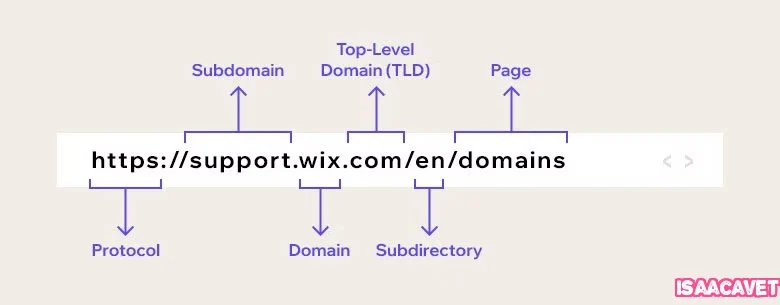
If you’ve landed on an error message reading „keine Karriere-Subdomain gefunden“, you’re not alone. This message appears frequently on German-language corporate websites, especially when users attempt to access a company’s career or jobs page. While it may look technical or alarming at first glance, the issue is usually straightforward and fixable.
This article explains what the error means, why it occurs, and how businesses and users can resolve it, using best practices that align with SEO, IT infrastructure, and user experience standards.
What Does “Keine Karriere-Subdomain Gefunden” Mean?
The phrase „Keine Karriere-Subdomain Gefunden“ translates directly to “No career subdomain found” in English. It indicates that the system attempted to load a career-specific subdomain—such as karriere.example.com or careers.example.com—but failed to locate it.
In most cases, this error is generated automatically by:
-
A content management system (CMS)
-
A career portal integration
-
A server-side routing rule
The message does not usually mean the entire website is broken. Instead, it signals that the career or job listings section is either:
-
Not configured
-
Temporarily unavailable
-
Incorrectly linked
For job seekers, this results in frustration. For businesses, it can mean lost applicants, reduced employer credibility, and SEO performance issues.
Common Causes of the Error
There are several reasons why the keine Karriere-Subdomain gefunden message appears. Understanding these causes is the first step toward fixing the issue efficiently.
1. Non-existent Subdomain
The most common cause is that the career subdomain simply doesn’t exist. The company may never have created it, or it may have been removed during a website redesign.
2. DNS Configuration Problems
DNS (Domain Name System) records control how subdomains point to servers. If DNS records are:
-
Missing
-
Misconfigured
-
Outdated
the browser cannot locate the career subdomain.
3. Recent Changes and Propagation Delay
When a subdomain is newly created or modified, DNS propagation can take anywhere from a few minutes to 48 hours. During this time, some users may see the error while others don’t.
4. Typo or Incorrect URL
A simple spelling error in the URL—such as karriere vs. karier—can trigger the message instantly.
5. Server or Hosting Issues
If the hosting provider experiences downtime or misrouting, the career subdomain may temporarily fail to load even if it exists.
How to Troubleshoot the Error (Step-by-Step)
Whether you’re a website administrator, IT professional, or business owner, resolving this issue follows a logical process.
Step 1: Verify the Subdomain
Confirm whether the career subdomain is actually supposed to exist. Check internal documentation or speak with:
-
Web developers
-
HR system providers
-
Marketing or IT teams
Step 2: Check DNS Records
Review DNS settings using tools like:
-
Hosting provider dashboards
-
DNS lookup tools
Ensure the subdomain points to the correct IP address or server.
Step 3: Test Server Routing
Make sure the web server is configured to accept and route requests for the career subdomain.
Step 4: Clear Cache
Sometimes the issue is local. Clear:
-
Browser cache
-
DNS cache
Then retry accessing the page.
Step 5: Contact Hosting or Technical Support
If the issue persists, your hosting provider or IT support team can identify backend problems more quickly.
Impact on SEO and Employer Branding
From an SEO and branding perspective, the keine Karriere-Subdomain gefunden error is more serious than it looks.
SEO Consequences
-
Broken links reduce crawl efficiency
-
Job pages may be de-indexed
-
Google may lower domain trust signals
Employer Branding Damage
Job seekers often associate technical errors with:
-
Poor organization
-
Outdated systems
-
Lack of professionalism
This can directly affect application rates and talent perception.
Ensuring a functional career page is critical for companies competing in today’s digital hiring landscape.
Best Practices to Prevent This Error
To avoid encountering this issue in the future, companies should follow these best practices:
-
Always create and document career subdomains
-
Use 301 redirects if career pages move
-
Monitor uptime with automated tools
-
Regularly audit DNS and hosting settings
-
Integrate career portals properly with CMS platforms
-
Provide a fallback careers page on the main domain
These steps help maintain both technical stability and user trust.
When Users See This Error: What Should They Do?
For visitors or job seekers, the options are limited but still useful:
-
Navigate to the main homepage
-
Look for a “Jobs” or “Careers” link in the footer
-
Search the company name plus “careers” on Google
-
Contact the company directly if the role is important
In many cases, the jobs page exists—it’s just mislinked.
Conclusion
The error message „keine Karriere-Subdomain gefunden“ is a clear indicator of a missing or misconfigured career subdomain. While technically simple, it can have serious consequences for user experience, SEO performance, and employer branding if left unresolved.
By understanding the causes, following proper troubleshooting steps, and implementing preventive best practices, businesses can ensure their career pages remain accessible, professional, and search-engine friendly.
A functional careers section isn’t just a technical requirement—it’s a digital front door for future employees.
