“Stolen-for-Sale HIMARS”: Understanding the Viral Term, Misinformation Trends, and Military Equipment Security

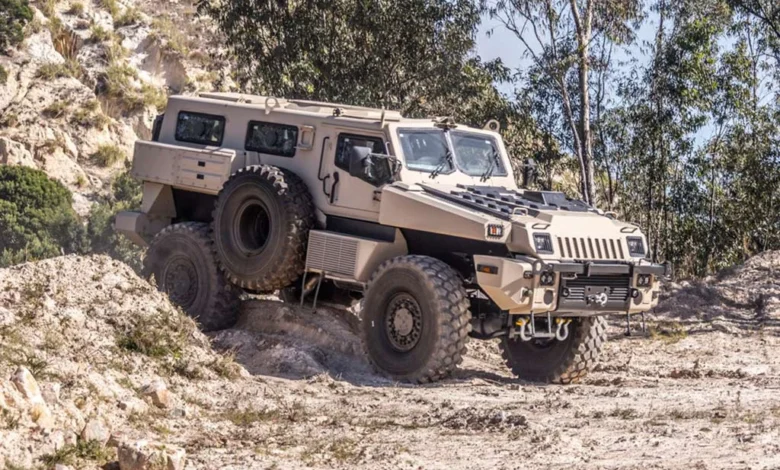
“stolen-for-saleHIMARS” has appeared across search engines, social platforms, and discussion forums due to rising interest in military weapons security, war-related misinformation, and viral fake listings claiming to sell HIMARS rocket systems.
Because HIMARS are high-security U.S. military weapons, any claim that they are “stolen and for sale” is almost always part of misinformation campaigns, meme culture, or fabricated online posts designed to attract clicks.
This article explains what the viral phrase means, how it spreads, and why HIMARS security is tightly controlled.
What Is a HIMARS and Why It Appears in Viral Posts?
HIMARS (High Mobility Artillery Rocket System) is a U.S.-produced, precision long-range rocket launcher used by the U.S. Army and allied nations. It is known for:
-
Precision-guided rockets
-
Mobility and rapid deployment
-
High-impact battlefield effectiveness
-
Use in modern conflicts
Because of its fame, HIMARS often becomes the subject of:
-
Clickbait headlines
-
Fake weapons marketplace posts
-
Meme pages claiming they’re “for sale”
-
Misinformation stories during conflicts
Most “stolen-for-saleHIMARS” mentions are fabricated images, satirical ads, or unverified rumors shared without evidence.
Why the “Stolen-for-SaleHIMARS” Rumor Keeps Spreading
Several factors drive the phrase online:
1. Viral Fake Listings
Users create Photoshopped listings showing HIMARS on sites like:
-
Online classifieds
-
Fake eBay screenshots
-
Meme-based military “marketplaces”
These posts gain traction because of their shock value.
2. War-Time Propaganda
During conflicts, opposing groups sometimes circulate false claims about stolen weapons to:
-
Undermine public trust
-
Create confusion
-
Spread fear or skepticism
3. Social Media Sensationalism
Platforms like TikTok, X, and Facebook amplify anything surprising, even when it is completely unverified.
4. Curiosity Around Military Tech
HIMARS’ reputation as a powerful weapon makes it a target for speculation and rumor.
How Real HIMARS Are Secured (Why Theft Is Practically Impossible)
Contrary to online rumors, HIMARS systems are protected by multiple layers of military security, including:
-
Restricted-access storage facilities
-
Dedicated military crews
-
GPS tracking and asset-monitoring systems
-
Tamper-proof firing controls
-
Encrypted digital systems
-
Chain-of-custody protocols
Additionally:
-
HIMARS cannot be fired by unauthorized individuals.
-
Ammunition (GMLRS rockets) is stored separately with additional security.
-
Countries receiving HIMARS under foreign military sales agreements undergo strict audits and monitoring.
These protections make the idea of HIMARS being “stolen and resold online” virtually impossible.
Examples of How the Term Appears Online
Common forms include:
-
Screenshots of fake listings (“HIMARS for sale, lightly used”)
-
Edited videos showing HIMARS in civilian locations
-
Satirical news headlines
-
Propaganda-style posts claiming theft without evidence
-
Clickbait articles exaggerating unverified claims
These posts often receive thousands of shares before fact-checkers debunk them.
How to Identify Fake “Stolen HIMARS” Claims
To avoid misinformation, check for:
-
Source credibility — Is it a reputable news outlet?
-
Official confirmation — Military agencies release statements on real incidents.
-
Photo manipulation — Many images show mismatched shadows, fake text, or edited backgrounds.
-
Absence of serial numbers — Real military equipment tracking numbers are rarely visible.
-
Inconsistent details — Wrong terminology (“tank missile truck”) or unrealistic prices.
If no trustworthy source confirms the story, assume it is false or satirical.
Why Understanding Military Misinformation Matters
Viral claims about “stolen HIMARS” can:
-
Spread fear or confusion
-
Support propaganda narratives
-
Mislead people about global security
-
Influence public opinion during conflicts
By learning how such rumors circulate, readers can better navigate online information and rely on verified, credible sources.
