
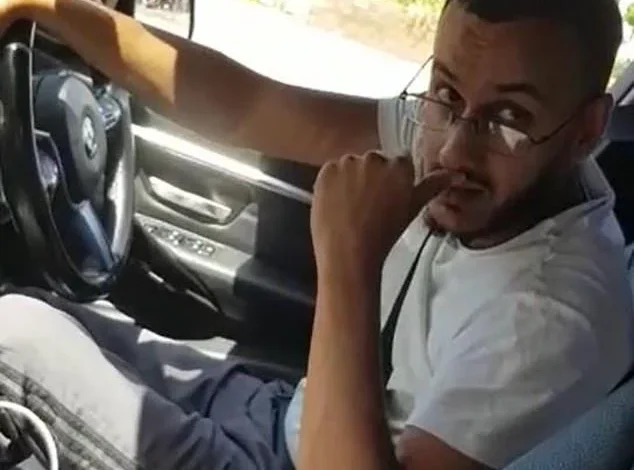
1. Why the Story “Uber Driver Refuses Ride to Shoplifter” Went Viral
“Uber driver refuses ride to shoplifter” became a trending topic after multiple videos on TikTok, YouTube Shorts, and Reddit showed drivers confronting passengers accused of shoplifting. These clips sparked huge public debate about ride-share rules, driver safety, and passenger responsibility. The situation resonates with viewers because it involves real-life tension, ethics, and personal judgment. As more creators shared clips of drivers refusing rides to suspicious individuals, the topic quickly turned into a viral conversation across social media.
2. Can an Uber Driver Legally Refuse a Ride?
Yes. Under Uber’s Community Guidelines, a driver is allowed to decline or end a trip if they feel unsafe, threatened, or believe the passenger is engaging in illegal behavior, including theft. Uber specifically states that safety concerns take precedence over completing a ride. Meaning, in a scenario where an Uber driver refuses a ride to a shoplifter, the driver is acting within company policy. Drivers are independent contractors, not law-enforcement officers, but they have the right to protect themselves and their vehicle.
3. Why Drivers Refuse Passengers Suspected of Shoplifting
There are several reasons why a driver might choose to reject a ride when they suspect shoplifting:
-
Safety concerns
-
Risk of being involved in a crime
-
Fear of police stops or questioning
-
Company policies regarding illegal activity
-
Potential damage or disruption inside the car
Drivers often explain that suspicious behavior — like carrying untagged merchandise or running from a store — triggers discomfort. In viral cases, the shoplifter attempted to flee using the Uber, placing the driver in a tough ethical position.
4. Social Media Reaction to Uber Driver Refusing Shoplifter
Videos with the keyword “Uber driver refuses ride to shoplifter” generate millions of views because they mix morality, bravery, and real-life drama. Comment sections typically show two sides:
-
People praising the driver for staying responsible and fearless
-
Others debating whether the driver should interfere at all
What stands out is the overwhelming support for drivers who refuse rides to individuals participating in criminal behavior. Many viewers see these drivers as protecting themselves and their communities.
5. What Uber Says About Transporting Individuals Involved in Crime
Uber’s official statements emphasize:
-
Safety first
-
Zero tolerance for illegal activity
-
Driver discretion is allowed
Transporting someone immediately after an alleged shoplifting can put the driver at legal risk, especially if police are actively searching for the suspect. Uber drivers are not expected to act as witnesses or enforcers, but they can decline the trip the moment it feels unsafe or suspicious. This supports the logic behind the viral scenario where an Uber driver refuses a ride to a shoplifter to avoid future complications.
6. Should Drivers Record or Post Such Incidents Online?
Many viral clips originate from dashcams or phone recordings. While recording interactions is legal in many regions, posting them online may violate privacy laws, depending on the local jurisdiction. Experts recommend:
-
Recording for safety
-
Sharing only with authorities if needed
-
Avoiding public uploads without consent
Even if the story catches global attention, drivers should prioritize legal protection and platform guidelines.
